What Does a Home Inspection Cover? A Room-by-Room Guide for Buyers
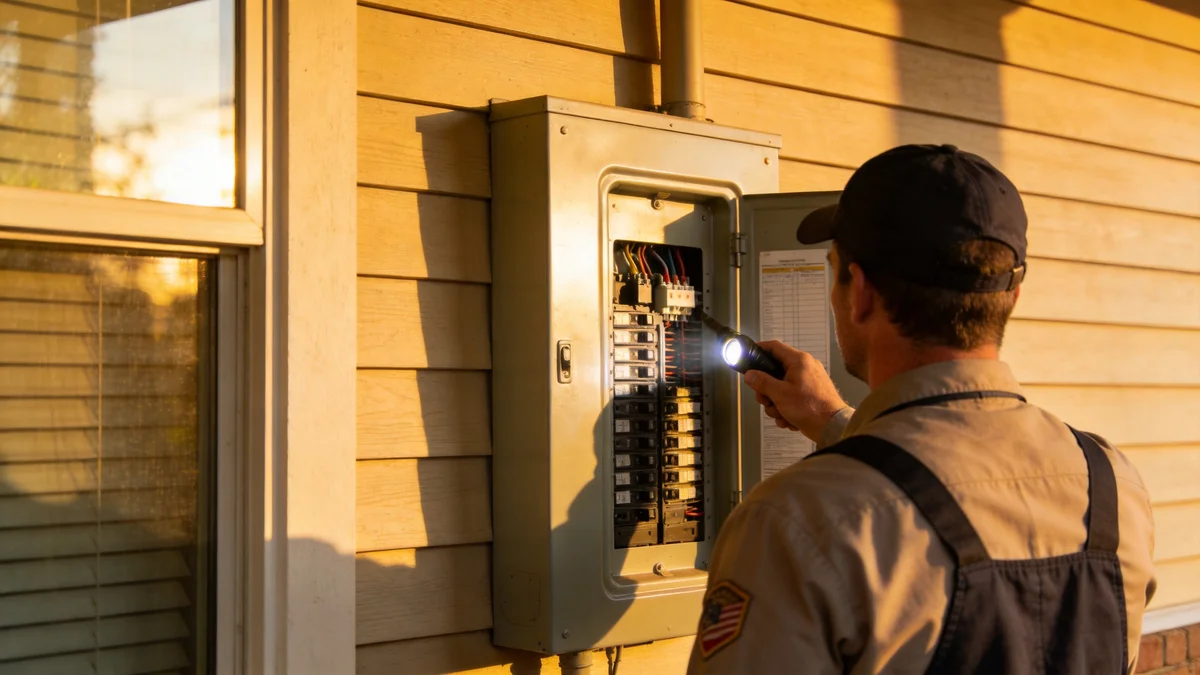
A home inspection is a visual, non-invasive assessment of a home's condition performed by a licensed home inspector. It covers the major systems—roof, foundation, electrical, plumbing, HVAC, structure, and interior and exterior components. Think of it as a thorough physical for the house you're about to buy.
What Does a Home Inspector Check When Buying a House?
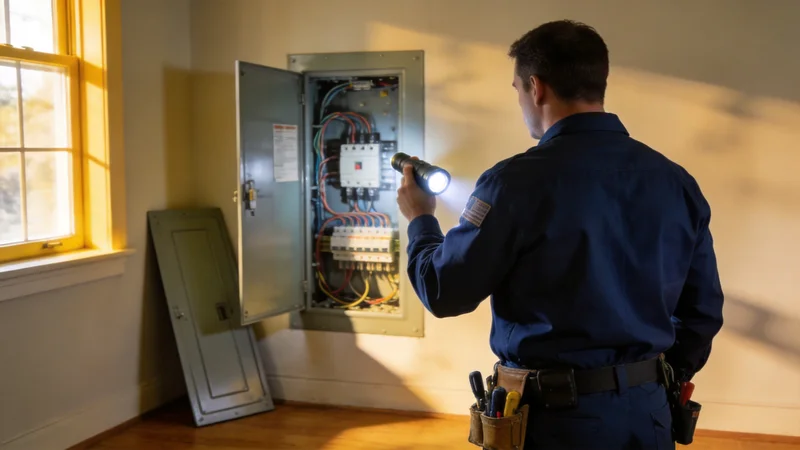
Inspectors look at the bones and the skin. Outside, they examine grading and drainage around the foundation, siding, windows, doors, decks, driveways, and the roof's overall condition. They're hunting for water intrusion, rot, and structural movement.
Inside, they scan walls, ceilings, floors, stairs, windows, and doors for visible defects. Cracks, stains, sticking doors, or sloping floors all get noted. The goal isn't to nitpick paint colors—it's to find safety issues and expensive repairs before you commit.
Room-by-Room Home Inspection Checklist
Here's what a thorough inspector examines as they move through the house. Not every item appears in every report, but these are the core checks.
Kitchen
Expect a close look at the sink, faucets, garbage disposal, cabinets, and countertops. The inspector runs the dishwasher and range, checks for visible leaks under the sink, and tests ventilation. Loose outlets, missing anti-tip brackets on the range, and faulty GFCI protection are common finds. A 237V outlet reading in a kitchen cabinet is unusual but has shown up in real reports, with repair costs typically landing around $200–$1,000.
Bathrooms
Toilets, tubs, showers, tile, and caulking all get attention. The inspector flushes every toilet, runs every faucet, and checks water pressure. They look for signs of water damage—stained ceilings below bathrooms, soft floors around tubs, missing grout. Ventilation fans are tested. A hallway toilet separating from the floor is a classic red flag, often running $200–$600 to reseat properly.
Bedrooms and Living Areas
Walls, ceilings, and floors are checked for cracks and unevenness. Windows are opened and closed. Outlets are sampled with a tester to confirm polarity and grounding. Missing smoke alarms in bedrooms are a frequent note—adding one costs roughly $20–$100. Low voltage at a living room outlet, seen in real reports, might run $150–$600 to correct.
Basement and Crawlspace
This is where inspectors earn their fee. They look at the foundation walls for cracks, bowing, or water staining. They check for proper ventilation, insulation, and signs of pests. In crawlspaces, active water leaks at bathtub connections are a common discovery, typically $300–$1,500 to fix. Sump pumps, water heaters, and furnaces get examined here too.
Attic
The inspector climbs up to check roof sheathing, rafters, and insulation. They look for daylight coming through the roof deck, signs of past or active leaks, and adequate ventilation. Pinched ducts restricting airflow are a frequent attic and basement note, costing about $200–$800 to remedy.
How Long Does a Home Inspection Take?
For a typical single-family home, plan on two to four hours. Larger homes, older properties, or houses with difficult-to-access systems take longer. If the inspector has to squeeze through a tight crawlspace or navigate a packed garage, expect the clock to run.
What Is the Inspection Process Like?
First, you hire a licensed or certified home inspector. Your real estate agent often has reliable recommendations. You'll schedule the inspection during your due-diligence window after an offer is accepted.
Second, the inspector walks the property inside and out, taking notes and photos. They test systems, operate appliances, and document defects. You'll typically receive a written report within 24 to 48 hours. Many buyers attend the final hour to see issues in person and ask questions.
Common Red Flags Found During a Home Inspection
Roof damage tops the list. Missing shingles, curling edges, or signs of active leaks in the attic are serious. A full roof replacement runs $8,000–$25,000, while minor shingle repair might cost $300–$1,500. Missing roof tiles on a north corner, seen in real reports, typically land around $300–$1,200.
Foundation issues come next. Large cracks, bowing walls, or uneven floors signal movement. Crack repair varies wildly—$500–$10,000 depending on type. Water accumulation against the foundation on a back walkway is another frequent finding, often $500–$3,000 to regrade and redirect drainage.
Other common red flags include deteriorated exterior wood trim and fascia ($800–$4,000 per real inspection data), missing anti-tip brackets on ranges ($100–$300), and absent carbon monoxide alarms ($50–$300). Stucco cracks and openings are particularly common in certain regions, with repairs ranging $500–$2,500 per real reports.
What Does a Home Inspection NOT Cover?
Inspectors don't move furniture, lift wall-to-wall carpet, or open walls. They don't test for mold, radon, asbestos, or lead paint unless you order separate specialized inspections. They won't guarantee anything—they report visible conditions on the day of inspection. A clean report doesn't mean the house is problem-free forever; it means no major visible defects were found that day.
How to Read Your Inspection Report
Most reports categorize findings by severity—safety issues, major defects, minor defects, and maintenance items. Don't panic at a long list. Focus on safety hazards like missing smoke alarms or unsecured AC units first. Then evaluate major systems: roof, foundation, electrical panel, HVAC. Cosmetic items like chipped paint or worn caulking are negotiation points, not deal-breakers.
Not sure how your findings stack up? Many buyers upload their inspection PDF to a plain-English analyzer to get severity, cost ranges, and next steps in minutes.
FAQ
What does a home inspection cover?
It's a visual, non-invasive assessment of the home's major systems—roof, foundation, electrical, plumbing, HVAC, structure, and visible interior and exterior components. It identifies visible defects, safety issues, and items needing repair or replacement.
What does a home inspector check when buying a house?
Inspectors check the roof, attic, foundation, grading, drainage, electrical panel, outlets, plumbing fixtures, water heater, furnace, AC, windows, doors, walls, floors, and accessible crawlspaces. They operate appliances, test outlets, run water, and document every visible defect.
How long does a home inspection take?
Two to four hours for a typical single-family home. Size, age, condition, and accessibility of systems affect the time. A small condo might take under two hours; a large older home with a crawlspace could push four.
How much does a home inspection cost?
The cost varies by region, home size, and inspector experience. You'll typically pay a few hundred dollars for a standard single-family inspection. Specialty add-ons like radon testing or sewer scope cost extra. Always get a quote before scheduling.
Can a house fail a home inspection?
No. A home inspection isn't a pass/fail test. It's an assessment. Every home has findings. The report tells you what they are so you can decide whether to negotiate repairs, ask for a credit, or walk away.
Should I attend the home inspection?
Yes, if you can. You don't need to follow the inspector every minute, but attending the final walkthrough lets you see issues firsthand and ask questions. Inspectors often explain maintenance tips face-to-face that don't make it into the written report.
Feeling overwhelmed by your inspection report?
Upload your PDF and get a plain-English breakdown: top issues, severity, estimated repair costs, and next steps.
Analyze my report